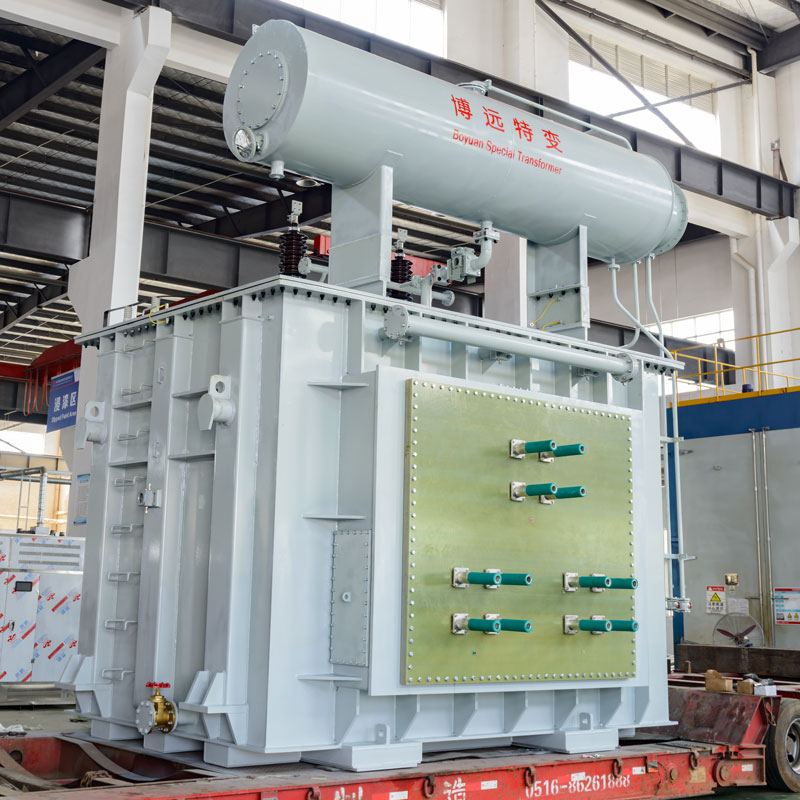
Industrial smelting power supply · 0.38–35kV · 50–31,500kVA
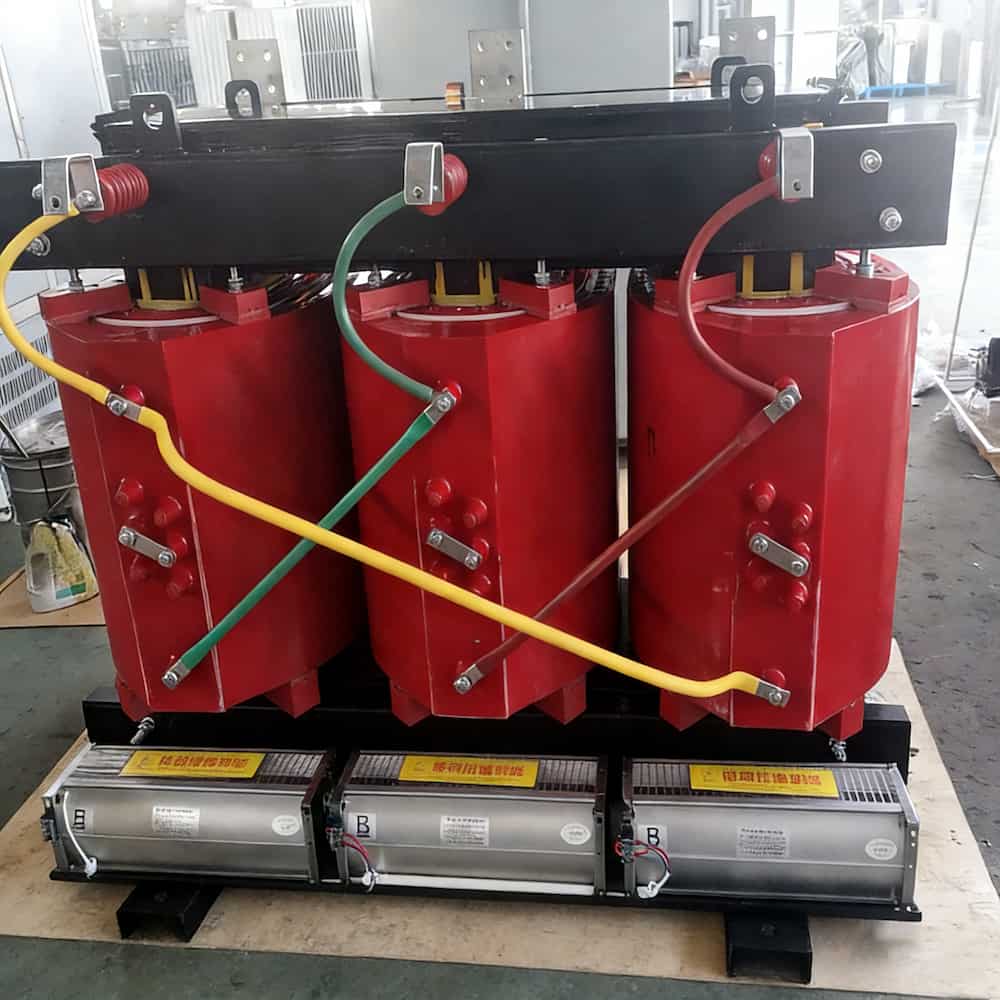
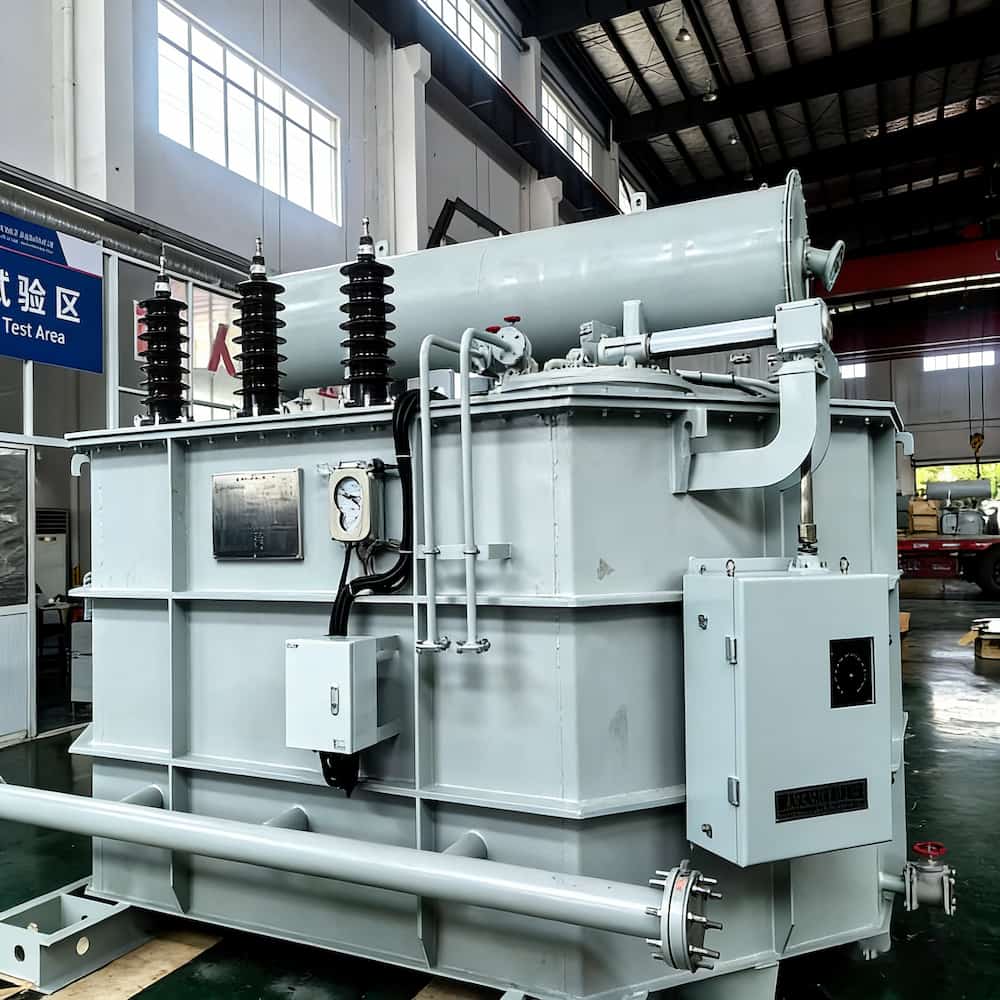
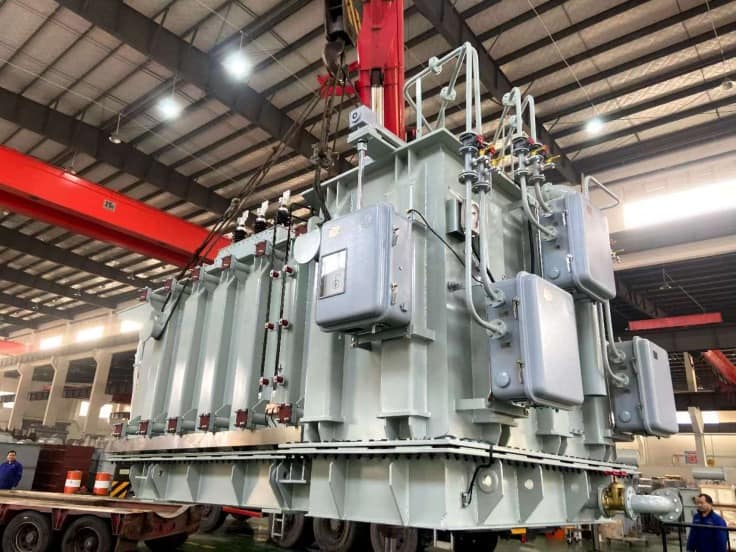
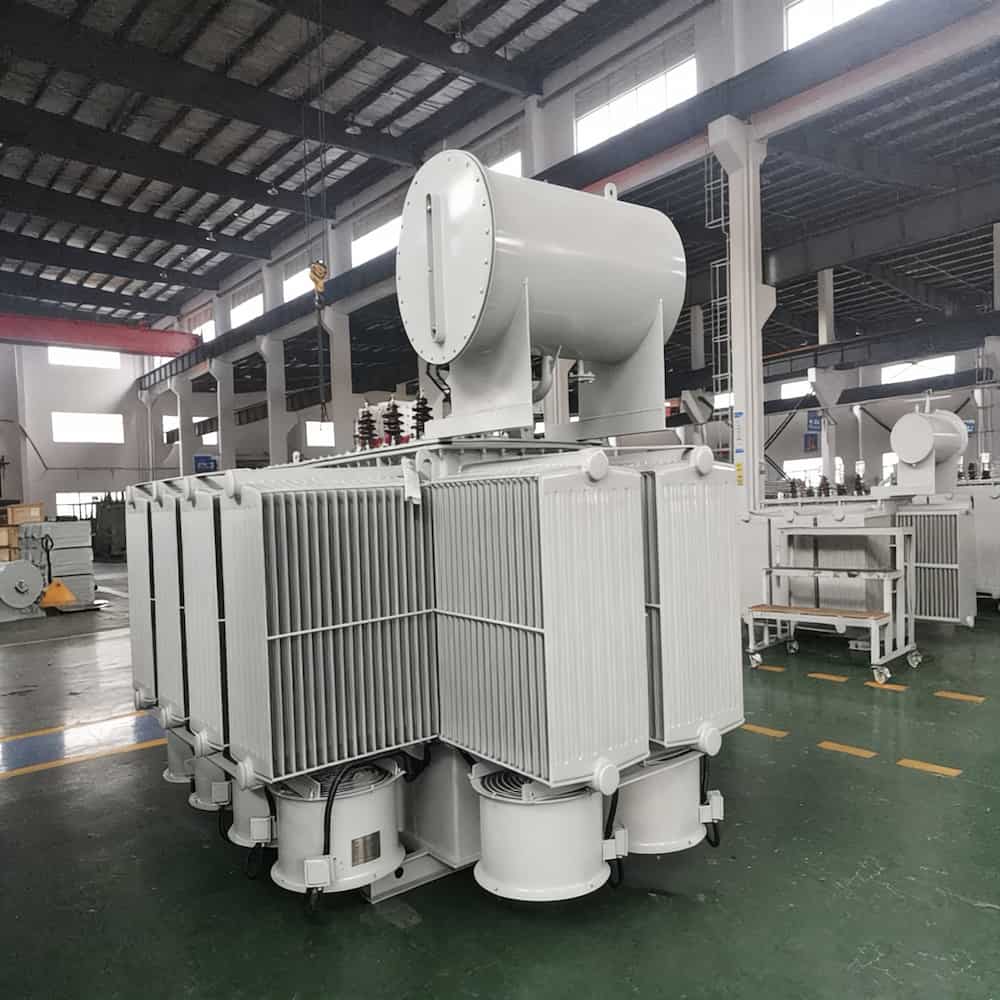
The electric furnace transformer is a power supply transformer for industrial furnace smelting. It is a purpose-built transformer designed according to the working characteristics and operating modes of each type of electric furnace, converting the network voltage and current into the precise electrical parameters the furnace process demands.
An electric furnace transformer is the heart of every melting plant. Because arc furnaces, ladle furnaces and submerged arc furnaces each impose very different demands — frequent short circuits, wide current adjustment ranges, sustained overloads — the transformer must be specifically matched to the furnace's electrical and thermal cycle. Our electric furnace transformers are engineered exactly for this duty: they maintain stable arc operation, tolerate repeated impulse currents, and deliver the deep voltage regulation range required from melting down to refining stages.
Our furnace transformer series mainly includes:
| Voltage class | 0.38 – 35 kV |
|---|---|
| Rated capacity | 50 – 31,500 kVA |
| Applicable furnaces | Electric arc furnace, ladle refining furnace, electroslag remelting furnace, submerged arc furnace (calcium carbide / ferroalloy / yellow phosphorus / silicon-manganese), power-frequency induction furnace |
| Voltage regulation | No-load or on-load tap changing, per process requirement |
| Structure | With reactor, without reactor, or high-impedance type |
| Cooling | ONAN / ONAF per capacity and site conditions |
| Standards | National industry standards for furnace transformers; ISO 9001:2015 quality system |
Note: parameters above show the standard supply range. Custom voltage, capacity and impedance designs are available — please contact us with your furnace data.
To recommend and quote the most suitable furnace transformer, we normally need the following information: furnace type and rated capacity, secondary voltage and current requirements, regulation steps and method (no-load/on-load), incoming network voltage, impedance requirement, and site cooling conditions. Our engineering team will propose an optimized design based on these inputs.